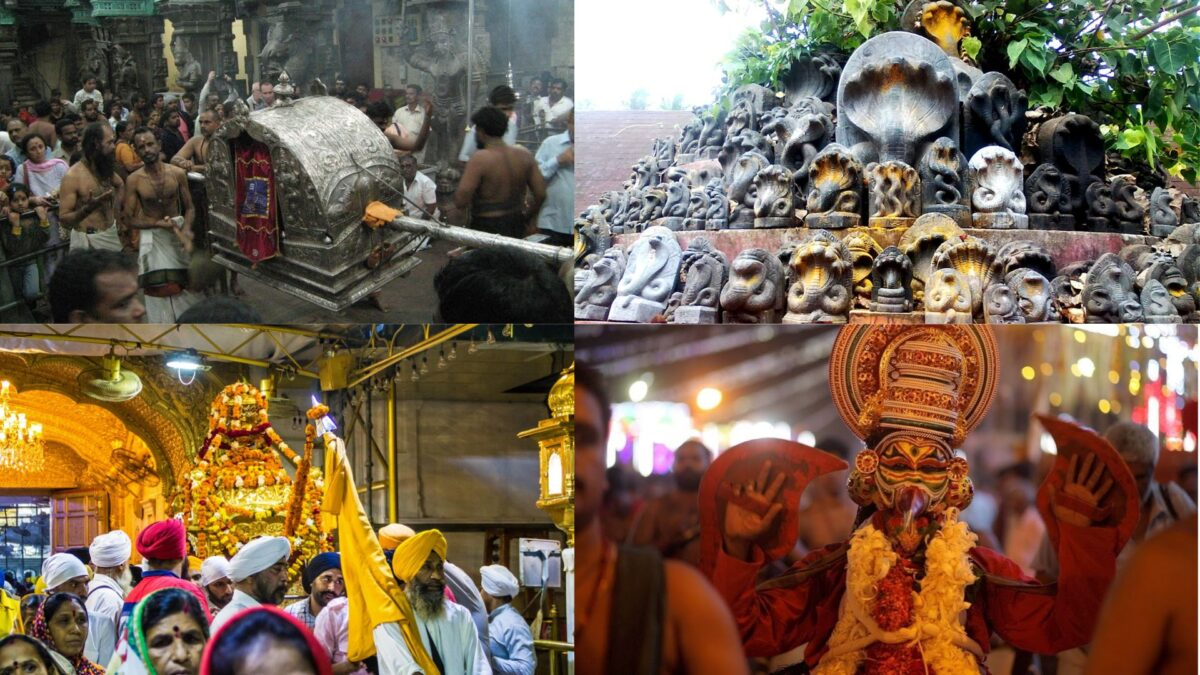
Religious tourism is one of the most important shapes of travel in the world. Not at all like customary excursions that center on unwinding or amusement, devout tourism is centered around confidence, otherworldly existence, and social investigation. For centuries, individuals have traveled long separations to visit sacrosanct places, go to devout ceremonies, and look for otherworldly development. Nowadays, devout tourism proceeds to develop quickly, pulling in millions of travelers each year.
This frame of tourism not as it were reinforces otherworldly convictions but moreover contributes essentially to nearby economies and social preservation.
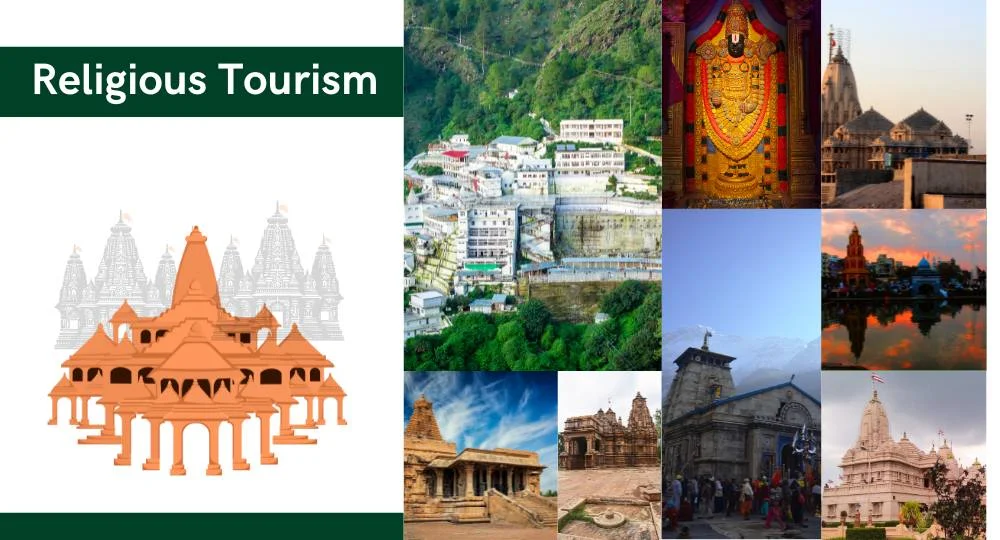
What is Religious Tourism?
Religious tourism means that people are inspired by religious reasons. It includes visiting places, participating in their festivals, visiting sacred monuments, etc. Individuals of all beliefs take portion in devout tourism, whether to fulfill devout obligations, look for endowments, or involvement otherworldly peace.
Hindus go to temples, and Muslims go on the Hajj. Christians often visit Vatican City. These ventures hold profound enthusiastic and otherworldly centrality for believers.
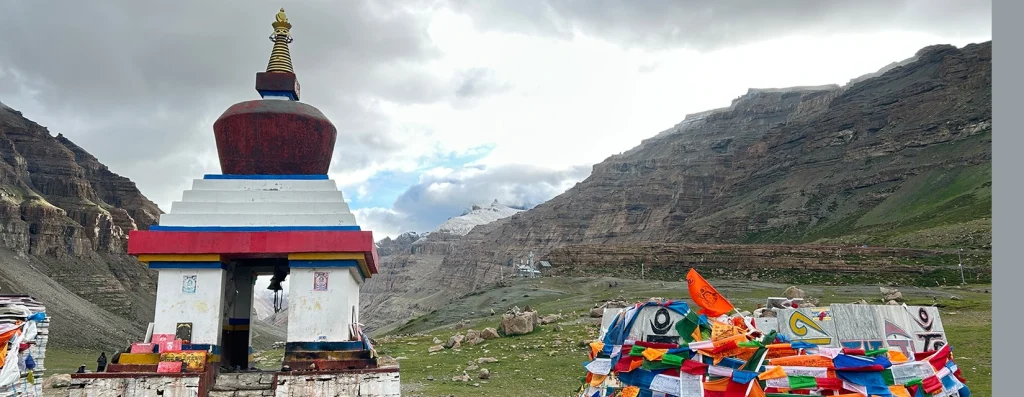
Types of Devout Tourism:
Religious tourism can be categorized into diverse sorts based on reason and experience.
1. Journey Tourism:
Pilgrimage tourism includes traveling to a sacrosanct put as an act of dedication. In India, millions of aficionados visit Vaishno Devi each year. Additionally, Sikhs from around the world visit Brilliant Sanctuary for otherworldly blessings.
2. Festival-Based Tourism:
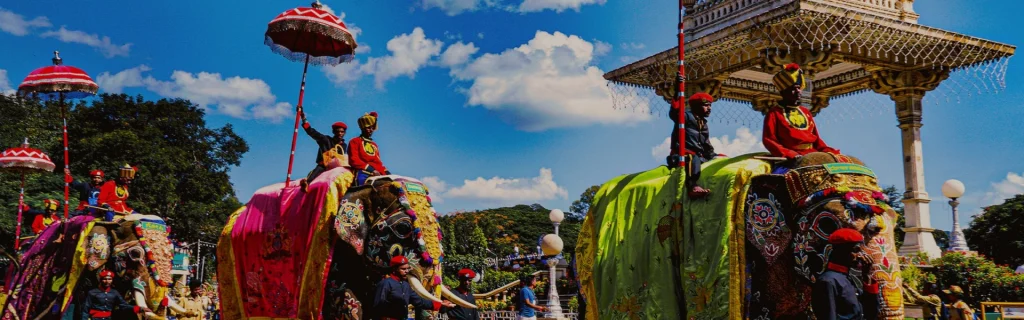
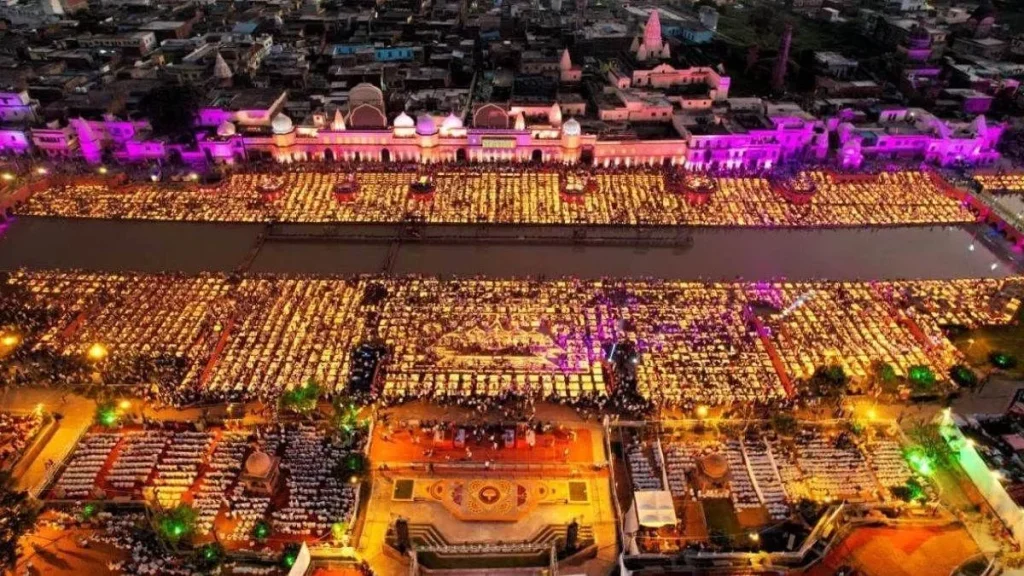
Many travelers visit goals amid major devout celebrations. Kumbh Mela is the biggest fair in the Hindu religion; it’s based on festival-based tourism.

3. Legacy Religious Tourism:
Some travelers are interested in investigating old devout design and chronicled landmarks. Destinations like Jerusalem hold significance for numerous religions and pull in guests for both otherworldly and social reasons.
Importance of Religious Tourism:
Religious tourism plays a crucial part in numerous countries.
Cultural Conservation: Sacrosanct locales are regularly protected and kept up due to visitor intrigued. This makes a difference secure old conventions, customs, and architecture.
Spiritual Development: Devout tourism offers enthusiastic peace and otherworldly fulfillment. Numerous individuals discover individual change and recharged confidence amid these journeys.
Infrastructure Advancement: Progressed streets, airplane terminals, and open offices are frequently created around major devout goals, profiting neighborhood communities.
Challenges in Religious Tourism:
Despite its benefits, Religious tourism moreover faces challenges such as stuffing, natural harm, and squander administration issues. Prevalent destinations can encounter overwhelming weight amid top seasons. Maintainable tourism hones and legitimate administration are essential to ensure sacrosanct goals for future generations.
Governments and tourism specialists are presently centering on way better swarm control, online booking frameworks, and eco-friendly activities to move forward the journey experience.
Conclusion:
Religious tourism is more than fair travel; it is a travel of confidence, culture, and self-discovery. It interfaces individuals with their otherworldly roots whereas too contributing to financial development and social conservation. From sacrosanct sanctuaries and mosques to churches and religious communities, devout tourism proceeds to join together individuals over the world.
With legitimate arranging and feasible advancement, devout tourism can stay a effective and improving experience for years to come.
Read More:- Discover Nepal: A Journey of Mountains, Culture and Adventure
