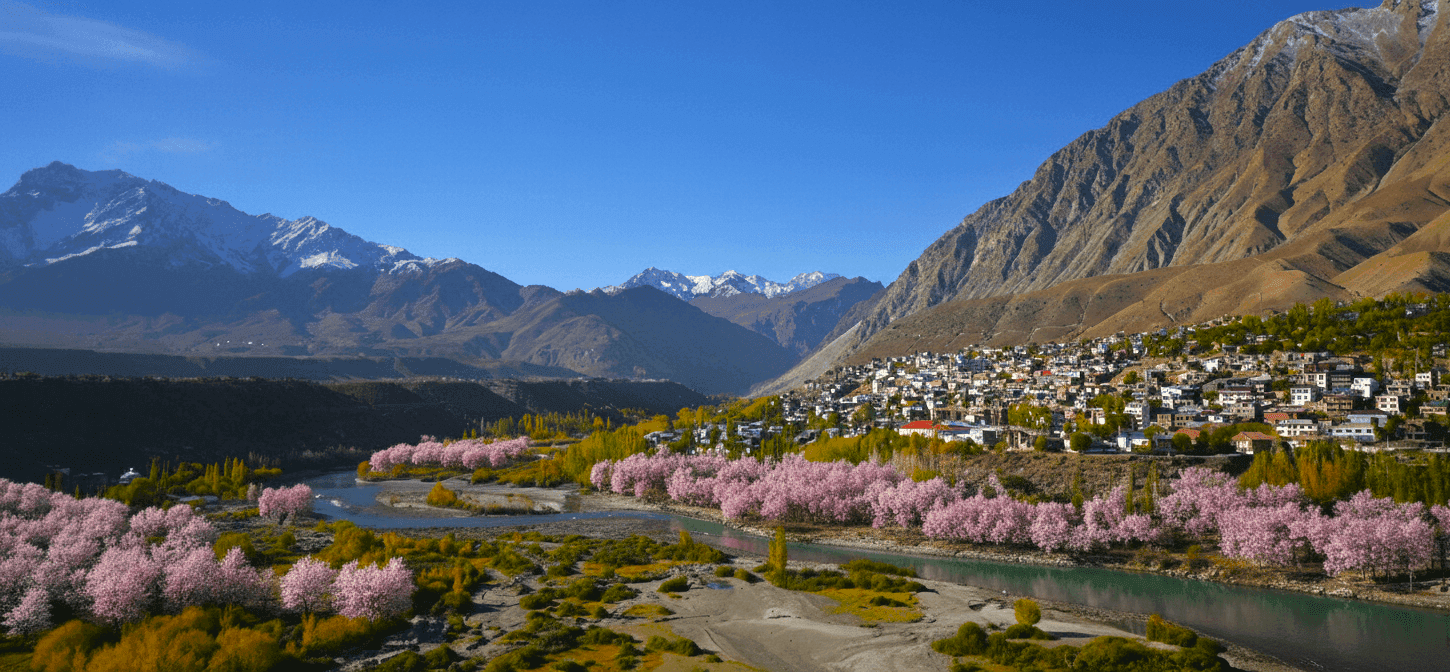
High up among mountain passes, Ladakh unfolds like a rugged dream across India’s far north. Clear lakes mirror jagged peaks, pulling visitors into vast silent valleys. Old monasteries cling to rocky slopes, whispering stories through prayer flags. Thrills await those drawn to wild terrain – biking, trekking, crossing rivers. Yet timing shapes everything since cold grips much of the year here. Weather swings hard so each season reveals a different face. Sunshine draws some; others come when snow locks roads and stills villages. What matters most isn’t just comfort – it’s what kind of quiet or chaos fits your stride.
Summer Season May to September Best Time to Visit:
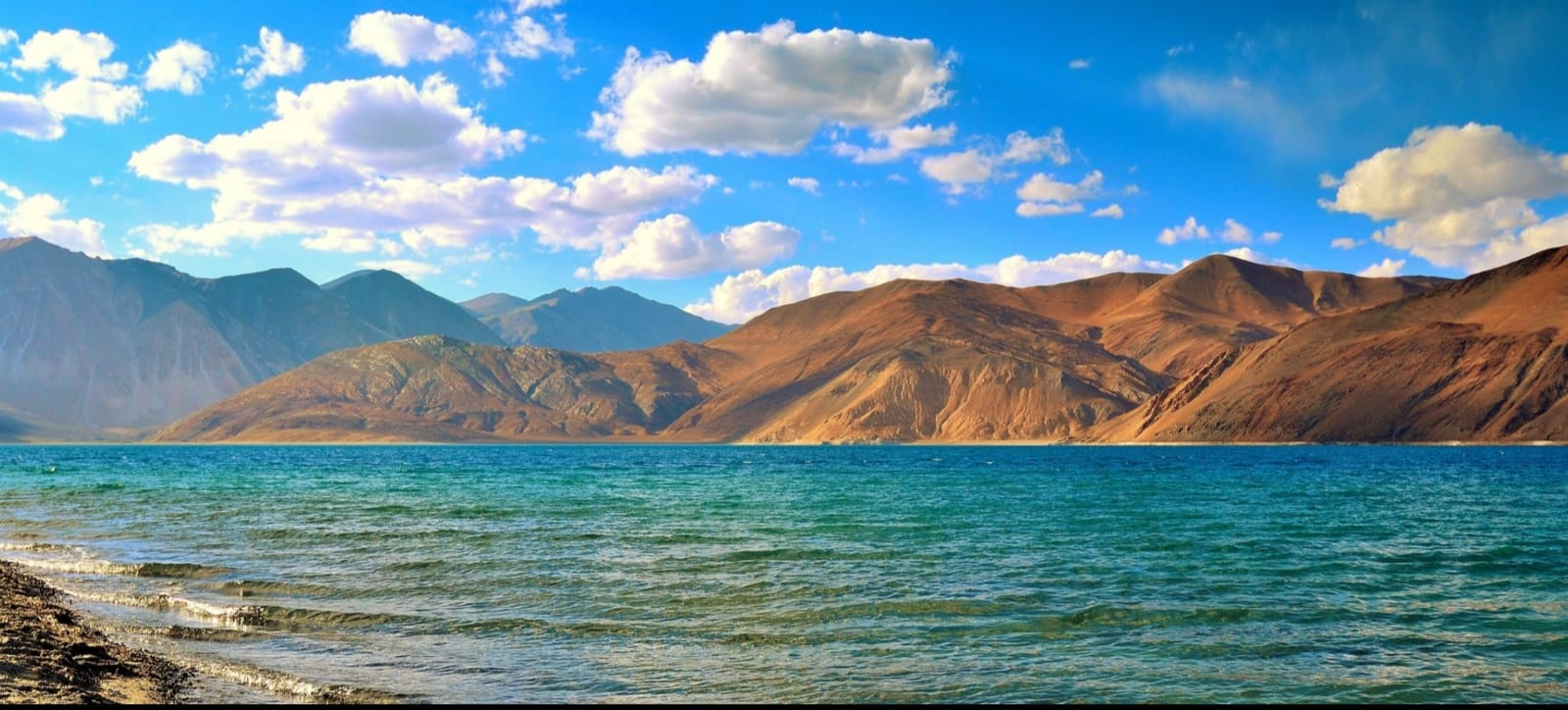
Warm days between May and September draw people to Ladakh. Roads wind through mountains without blockage then, thanks to melted snow. Skies stay cloudless much of the time, helping views stretch far. Trekking trails welcome walkers while rivers offer slow drifts by raft. Biking routes cut across high plateaus where silence sits heavy. Water reflects bright light where tents settle by still lakes. Not far off, spots such as Pangong, Nubra, and Tso Moriri rise above the rest. Travel feels smoother when paths are free and weather holds steady.
Monsoon Season July to August A Different Kind of Travel:
Even when skies stay dry in Ladakh, summer storms elsewhere can stir trouble on mountain roads. Hidden behind high peaks, the area misses most rains – yet consequences arrive sideways. Slips of rock and mud sometimes block paths into town, especially where the road climbs from Manali to Leh. A quiet stretch one day might wear a scar the next, left by sudden earth movement after heavy downpours uphill.
Still, certain valleys bloom into thick green during these weeks, while visitor numbers drop below midyear highs. Those wanting calm trails or sharp landscape shots often enjoy this stretch most. Plans should bend when weather shifts arise, since mountain routes change without warning.
Winter Season October to April For Snow Lovers:
Blankets of snow drape Ladakh when winter arrives, turning it into a quiet white world. In some places, the cold pushes past minus twenty degrees Celsius. Though thick snow blocks most routes, planes still land in Leh on most days. The season changes everything – yet life finds its way through.
Quiet steps echo when few visit these paths in winter. Across frozen stretches of the Zanskar, movement becomes its own rhythm – this is what shapes the Chadar Trek’s name. White peaks rise above silent monasteries buried in snowfall. Cold grips hard here, so gear matters more than usual. High ground can test anyone unready – bodies react differently when air thins.
When to Do Outdoor Adventures:
Summer opens up Ladakh’s rugged beauty for those who chase thrills. Between June and September, paths through high passes become walkable under steady skies. Instead of sitting still, many choose to paddle along the rushing Zanskar or Indus rivers. Wheels spin across remote stretches as riders arrive from distant places drawn by winding roads carved into cliffs.
When snow locks the mountains, a frozen river becomes the path for those chasing cold-weather challenges. Between January and February, walkers step onto ice where few have trekked before. This journey across the Chadar Glacier stands apart from ordinary hikes. Few places on Earth deliver such stillness underfoot combined with towering cliffs above. Winter adventurers find their rhythm here, moving slowly over slick blue surfaces shaped by ancient water.
When Festivals and Culture Happen:
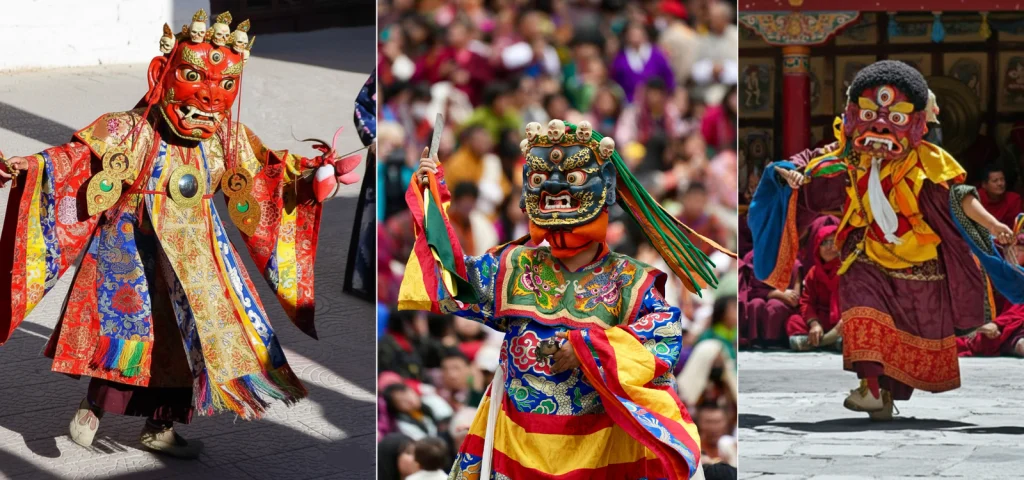
Hidden among high mountains, Ladakh carries strong Buddhist roots. When summer arrives, old monasteries come alive with vibrant festivals. The Hemis Festival brings rhythmic drumming, dancers in bright masks, storytelling through movement. Instead of just watching, visitors begin feeling the quiet wisdom behind each ritual. Through these moments, culture becomes something you experience, not just see.
Conclusion:
Summer days bring warm sun, clear skies, leaving mountain passes free of ice. Roads unwind across valleys just then, opening gates to monasteries tucked in high cliffs. Instead of crowds, some travelers chase quiet – finding beauty under frozen lakes months later. Winter wraps everything in stillness, offering rare moments few ever witness. Even in cold silence, peaks stand bold against pale light. Each turn reveals raw land shaped by wind, each village hums with stories older than maps.
Read More:- Best Places to Visit in India in July 2026
